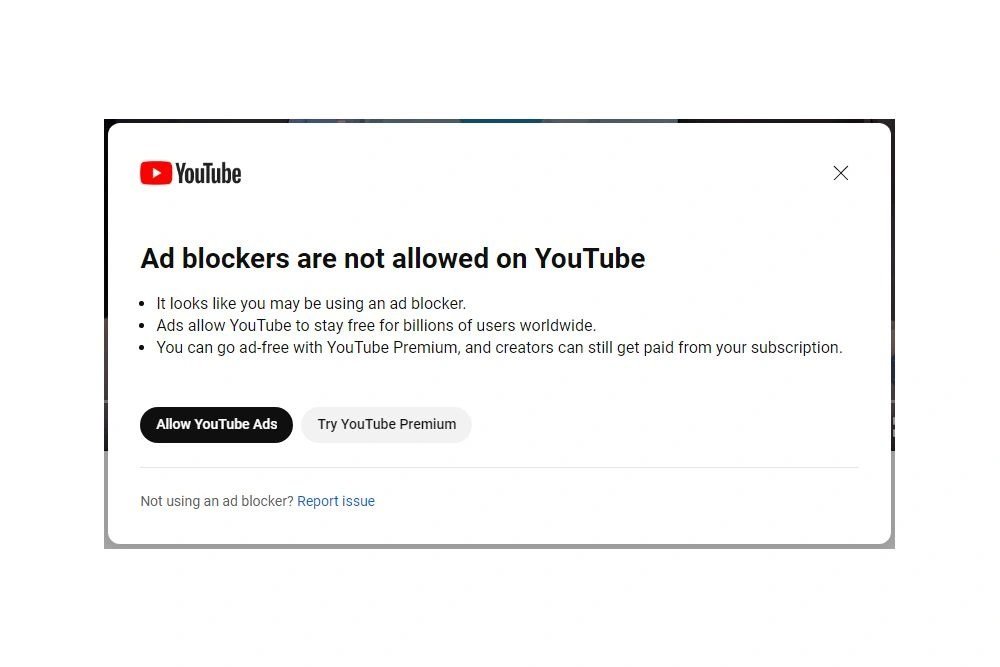
Remember the good old days of streaming? You’d pick a show, press play, and lose yourself in an uninterrupted narrative. For many, that's still the dream, but as the streaming industry shifts gears, ads are increasingly becoming an unavoidable part of the experience. This seismic change has ignited a relentless cat-and-mouse game: streaming platforms are deploying advanced tactics to ensure ads are seen, while ad blockers are evolving to try and keep your screen pristine. The future of ad blocking on streaming platforms isn't just about software; it's a battle for eyeballs, revenue, and the very definition of a "premium" viewing experience.
This isn't just a minor skirmish; it's a fundamental recalibration of how content is funded and consumed, impacting everyone from tech giants to individual viewers.
At a Glance: What You Need to Know
- Ads are Here to Stay: Streaming platforms are prioritizing profitability over subscriber growth, making ad-supported tiers a crucial revenue stream. Expect more ads, not fewer.
- Platforms are Fighting Back: Advanced technologies like Server-Side Ad Insertion (SSAI) stitch ads directly into the video stream, making them incredibly difficult for traditional ad blockers to detect and remove.
- Browser Changes are Impacting Ad Blockers: Google's Manifest V3 update for Chrome will significantly restrict how ad blockers function, potentially reducing their effectiveness on many websites and, indirectly, on some streaming platforms.
- User Choices are Evolving: You'll face a clearer choice: pay more for an ad-free experience, tolerate ads on cheaper tiers, or explore alternative browsers and advanced network-level blocking solutions.
- The Battle Isn't Over: While platforms have the upper hand with server-side technology, ad blocker developers and privacy advocates will continue innovating, leading to an ongoing technological arms race.
The Shifting Sands of Streaming Monetization: Why Ads Are Everywhere Now
Just a few years ago, the streaming wars were all about subscriber growth, often at any cost. Platforms poured billions into original content, offering enticing free trials and low prices to lure viewers away from cable. That era is largely over. Today, the focus has pivoted sharply towards profitability. The industry, valued at over $811 billion in 2025 and projected to hit $2.66 trillion by 2032, is maturing, and investors are demanding a clear path to the bottom line.
The Great Pivot: From Subscribers-First to Profitability-First
The streaming market is saturated. The average American already spends 23 hours a week on streaming services, subscribing to nearly four platforms. Top players like Netflix, Amazon Prime Video, Disney Plus, Max, and Apple TV+ dominate the landscape, leaving little room for smaller players. This saturation means subscriber growth is slowing, and the cost of content production and acquisition continues to skyrocket.
Companies like Disney Plus are openly shifting their strategy from aggressive subscriber acquisition to profitability, cracking down on password sharing, bundling services like Hulu and ESPN, and even removing content that isn't pulling its weight. This pivot signals a more disciplined approach to revenue generation, where every dollar counts. In a market where sub-scale platforms might face M&A or cost-sharing partnerships, maximizing existing revenue streams is paramount.
Ad Tiers: A Necessary Evil or a Golden Goose?
Enter the ad tier. What started as an option on some platforms has quickly become a cornerstone of the industry's monetization strategy. Netflix, once famously ad-free, introduced an ad-supported tier at $7.99/month, and it's projected to generate $2 billion in ad revenue by 2026. Disney, a seasoned advertising powerhouse, consistently earns over $3 billion annually from ads since 2021. Amazon Prime Video even defaulted its massive subscriber base (around 350 million by 2025) to ad-supported viewing in 2024, offering an ad-free option for an extra fee.
Why the rush to ads? They provide a lucrative, complementary revenue stream without requiring platforms to attract entirely new subscribers. They also offer a cheaper entry point, theoretically reducing churn for price-sensitive viewers. While ad tiers might increase churn for some, essential platforms with must-have content, like Netflix or Max, have more flexibility in pricing and can push ad-supported options more aggressively.
The Ad Blocker's Perspective: Why Users Fight Back
On the other side of this revenue push are the users, many of whom have grown accustomed to ad-free online experiences. Ad blocker adoption is on a steady upward trajectory, rising from 27% in 2020 to 39% by 2023, with predictions to reach 43% in 2024. This isn't just about saving a few dollars; it's about reclaiming control over the viewing experience.
Users deploy ad blockers for several reasons:
- Disruption: Ads break immersion, especially during critical plot points.
- Privacy Concerns: Targeted ads often feel intrusive, based on personal data.
- Performance: Ads can consume bandwidth and slow down loading times.
- Volume: The sheer number and frequency of ads can be overwhelming.
This growing user resistance forces publishers and platforms to seek alternative monetization and constantly improve the user experience, even as they push more ads.
The Tech Battleground: How Streaming Platforms Are Fighting Back Against Ad Blockers
The streaming industry isn't passively accepting ad blockers. They're investing heavily in technology to ensure their ad revenue streams remain robust. This isn't just about outsmarting a browser extension; it's about fundamentally altering how ads are delivered.
Server-Side Ad Insertion (SSAI): The Invisible Shield
One of the most significant technological advancements in the fight against ad blockers is Server-Side Ad Insertion (SSAI). Unlike traditional client-side ad insertion (CSAI), where your device requests an ad separately from the content, SSAI stitches ads directly into the video stream before it ever reaches your device.
Imagine watching a live broadcast on television. The commercials are part of the broadcast itself; you can't simply block them without stopping the entire show. SSAI works similarly. The streaming platform's server dynamically inserts the ad segments into the main video stream. Your device receives a single, continuous video feed that seamlessly includes both content and ads.
Why SSAI is a game-changer:
- Undetectable: Because the ads are part of the main video stream, ad blockers — which typically work by blocking specific ad domains or scripts on your device — can't differentiate between the content and the advertising.
- Seamless Experience (for platforms): From a technical standpoint, the integration is seamless, making for a smooth transition between content and ads.
- Platform Control: Platforms maintain full control over ad delivery, frequency, and tracking, making it harder for users to bypass.
For users trying to block ads on services like Max or Amazon Prime Video, SSAI means traditional browser extensions or even some more advanced ad blockers are often rendered ineffective. While the ads might still feel intrusive, the technical method of delivery makes them an inherent part of the stream you're receiving.
Digital Rights Management (DRM) and Content Protection
While DRM's primary purpose is to prevent unauthorized copying and distribution of copyrighted material, it also plays an indirect role in the ad-blocking landscape. DRM technologies encrypt content and control how it's accessed, viewed, and manipulated. By making it difficult for third-party tools to interact with or alter the video stream, DRM can inadvertently hamper attempts by ad blockers to modify or remove ad segments. If an ad blocker tries to intervene, it might trip DRM's security mechanisms, leading to playback errors or complete blocking of the stream.
AI and Advanced Detection Mechanisms
Artificial intelligence and machine learning aren't just for content recommendations anymore. Streaming platforms are increasingly using AI to detect and circumvent ad blockers. These systems can analyze network traffic patterns, viewer behavior, and even the characteristics of the video stream itself to identify when an ad blocker might be active. Once detected, platforms can employ various countermeasures:
- Serving unblockable ads: Bypassing the blocker with different ad delivery methods.
- Displaying messages: Prompting users to disable their ad blocker or upgrade to an ad-free tier.
- Halting playback: In more aggressive scenarios, the content might simply refuse to play until the ad blocker is disabled.
Beyond just detection, AI also plays a crucial role in improving targeted advertising. By analyzing vast amounts of viewing data and user preferences, AI algorithms help platforms deliver ads that are more relevant to individual viewers. The theory is that highly personalized ads are less annoying and potentially more engaging, reducing the impetus for ad blocking. This focus on "AI, Customization, and Personalization" is a core industry trend, making ad delivery smarter, not just more pervasive.
Legal and Policy Levers: Google's Manifest V3 and Beyond
The battle isn't just fought with technology; policy also plays a significant role. Google's Chrome browser, with its dominant market share, is set to implement Manifest V3 in 2024. This major update restricts how browser extensions, including many popular ad blockers, can function.
Key changes with Manifest V3:
- API Restrictions: Extensions will shift from the powerful
webRequestAPI, which allows them to intercept and modify network requests, to the less flexibledeclarativeNetRequestAPI. This new API only allows extensions to declare a set of rules, and the browser decides what to block or modify. This significantly limits the dynamic, real-time filtering capabilities that many advanced ad blockers rely on. - Fewer Rules: There are also limits on the number of rules an extension can apply, potentially hindering their ability to block a comprehensive range of ads.
Impact: - Reduced Effectiveness: Many ad blockers will likely become less effective against evolving ad formats and sophisticated tracking scripts.
- User Migration: This change could prompt users to switch to alternative browsers like Firefox, Opera, or Brave, which may maintain stronger ad-blocking capabilities by supporting older APIs or offering native blocking features.
- Publisher Benefits & Challenges: Manifest V3 may temporarily increase ad visibility and revenue for publishers. However, it also risks increasing user frustration, potentially driving more users to ad-free subscription tiers or pushing them towards less mainstream browsers.
The broader implication is that companies like Google, which derive significant revenue from advertising, are shaping the very infrastructure of the web in ways that can benefit ad monetization. This creates a difficult environment for independent ad blocker developers who are trying to maintain their tools' efficacy.
What This Means for You: Navigating the Ad-Supported Streaming Landscape
As a viewer, you're squarely in the middle of this evolving landscape. The choices you make about how and what you stream will increasingly be influenced by the presence (or absence) of ads.
The User's Dilemma: Pay Up or Put Up?
The most straightforward choice presented by streaming platforms is often a financial one: do you pay a higher monthly fee for an ad-free experience, or do you opt for a cheaper tier that includes commercials?
- Ad-Free Premium Tiers: These are the most direct solution if you detest ads. Services like Netflix, Max, Disney+, and Amazon Prime Video all offer premium, ad-free versions. The cost difference can range from $4-$7 per month. For heavy streamers, or those watching highly immersive content, this can be a worthwhile investment to maintain an uninterrupted experience.
- Ad-Supported Tiers: These tiers offer a more budget-friendly option, making popular content more accessible. While you "put up" with ads, the trade-off is often a significantly lower monthly bill. For casual viewers or those who don't mind occasional breaks, this can be a perfectly acceptable compromise.
- Bundles: Some platforms are offering bundles (e.g., Disney+/Hulu/ESPN) that can sometimes provide a better overall value, potentially even including an ad-free option for one or more services within the bundle. This strategy is popular as platforms try to combat subscription fatigue and reduce customer acquisition costs.
Your decision here depends on your personal tolerance for ads, your budget, and how much you value an uninterrupted viewing experience.
Browser Choices and Their Ad Blocking Future
If you rely on browser-based streaming, your choice of web browser will become increasingly important, especially with the rollout of Google's Manifest V3.
- Google Chrome: While still dominant, Chrome's future with robust ad blocking is uncertain due to Manifest V3. Existing ad blockers may become less effective.
- Firefox: Mozilla has historically been more supportive of user privacy and powerful extensions. Firefox is likely to remain a strong contender for those who prioritize comprehensive ad blocking, as it has indicated it will not adopt Manifest V3 in the same restrictive way as Chrome.
- Brave Browser: Brave has built-in ad and tracker blocking, offering a privacy-focused browsing experience out of the box. It's a strong choice if you want integrated protection without needing to install separate extensions.
- Opera: Opera also offers a built-in ad blocker and VPN, providing another option for privacy-conscious users.
If ad blocking on streaming platforms is a priority for you, researching the current state of ad blocker support for different browsers is essential. A bit of experimentation might be necessary to find what works best for your setup.
The Limitations of Generic Ad Blockers on Streaming
It's crucial to understand that many generic browser-based ad blockers are becoming less effective against modern streaming ads, particularly those delivered via SSAI. These tools primarily target client-side scripts and domains. When an ad is already baked into the video stream on the server side, a browser extension often has no way to intercept or remove it.
For specific platforms, the cat-and-mouse game can be intense. For instance, successfully blocking ads on services like Hulu often requires more sophisticated or updated solutions than a basic browser extension might offer. If you're struggling with ads on a particular service, it’s helpful to learn about Hulu ad blockers and the specific challenges involved. What works for one platform might not work for another.
Alternative Strategies for an Improved Viewing Experience
For those determined to minimize ads, there are more advanced, albeit more technical, strategies beyond simple browser extensions:
- DNS-Level Blocking (e.g., Pi-hole, AdGuard Home): These solutions operate at your network's DNS level. Instead of blocking ads on a single device or browser, they block ad-serving domains for all devices connected to your home network. While powerful, they require some technical know-how to set up and maintain. They can be effective against some streaming ads, but again, SSAI remains a formidable challenge as the ads are not coming from a separate "ad domain."
- VPNs for Geo-Unblocking: While not directly for ad blocking, VPNs can sometimes offer an improved experience by allowing you to access content from different regions, potentially where ad loads are lighter or ad-free tiers are structured differently. However, their primary function isn't ad elimination.
- Specialized Software/Firmware: A niche market exists for highly specialized software or even router firmware that attempts to identify and block streaming ads. These are typically for advanced users and come with their own set of complexities and risks.
The key takeaway is that the more deeply integrated ads become into the content stream, the more sophisticated and network-centric your blocking solution needs to be. The days of simply installing a single browser extension and being ad-free across all streaming platforms are increasingly behind us.
The Future Outlook: A Cat-and-Mouse Game with Higher Stakes
The tug-of-war between streaming platforms and ad blockers is unlikely to end anytime soon. Both sides are driven by powerful incentives – platforms by revenue, and users by a desire for an uninterrupted experience.
Expert Predictions: Ad Blocker Growth vs. Monetization Innovation
Industry experts largely agree that ad blocker adoption will continue its upward trend. Ricardo Stanley, an expert in monetization, foresees a greater role for paywalls, sponsored content, and other creative monetization methods to balance ad visibility with user experience. It's not just about more ads, but smarter ads. Joy Dean believes that ad blocker usage will continue to rise, making smarter monetization strategies and robust ad recovery solutions essential for publishers to sustain and grow revenue. Similarly, Roger Juntilla anticipates continued growth in ad blocker adoption in 2025, emphasizing the critical need for publishers to implement effective ad block recovery solutions to recoup lost ad revenue.
These predictions paint a clear picture: the problem isn't going away. Publishers and platforms will continue to innovate their ad delivery and recovery, while ad blocker developers will strive to adapt. This continuous evolution means that "set it and forget it" ad blocking solutions will become increasingly rare.
The Ecosystem Evolves: Bundles, Sports, and Personalization
Beyond direct ad delivery, the broader streaming ecosystem is evolving in ways that will shape ad tolerance and subscription decisions.
- Streaming Bundles: The increasing popularity of bundles (like Disney+/Hulu/Max or Verizon Netflix/Disney) offers viewers more content for a potentially lower collective price. This value proposition might make ad-supported tiers within a bundle more palatable if the overall savings are significant.
- Live Sports Appeal: Live sports are critical for subscriber acquisition and retention, attracting massive advertising dollars. Platforms like Amazon Prime Video (NFL, NBA, WNBA, NASCAR) and Apple TV+ (MLS deal) are heavily investing here. The unique nature of live sports, where ads are traditional and often less disruptive to the main event (halftime, commercial breaks), might also influence user perception of ad loads.
- AI for Personalization and Targeted Ads: As platforms refine their AI algorithms for customization and personalization, ads are likely to become more targeted and, theoretically, more relevant. While still an ad, a highly relevant commercial might be less annoying than a completely random one. AI will also continue to enhance the platform's ability to detect and bypass ad blockers, further tightening controls.
The goal for platforms is to make the ad experience less painful, more valuable, or to embed it so deeply that it's nearly impossible to avoid.
The Long Game: Balancing Revenue and User Experience
Ultimately, the future of ad blocking on streaming platforms hinges on a delicate balance: the platform's need for revenue versus the user's desire for an uninterrupted, high-quality experience. If platforms push too many intrusive ads, they risk increasing churn and driving users towards more aggressive blocking methods, alternative browsers, or even back to traditional piracy. If ad blocking becomes too effective, platforms lose vital revenue and may be forced to raise prices on ad-free tiers even further, limiting access for budget-conscious consumers.
The ideal outcome, though challenging to achieve, would involve:
- Less Intrusive Ad Formats: Perhaps shorter ad breaks, ads that are more relevant, or integrated sponsored content that feels natural rather than disruptive.
- User Control: Giving users more granular control over ad frequency or categories.
- Transparent Value Proposition: Clearly articulating the value users receive for tolerating ads (e.g., lower price, access to specific content).
The industry is in a constant state of flux. What's clear is that "ad-free" is becoming a premium feature, and "ad-supported" is rapidly becoming the new default for an increasing number of streaming services.
Your Strategy for a Smarter Streaming Experience
Navigating the future of ad-heavy streaming doesn't have to be a frustrating experience. By understanding the trends and available options, you can tailor your approach to match your preferences and budget.
Here's how to stay ahead in the evolving streaming landscape:
- Evaluate Your Subscriptions (and Your Tolerance for Ads):
- Prioritize: Which services are essential for you? For those, consider if the ad-free premium tier is worth the extra cost. For example, if you watch Netflix daily, paying an extra $7 to eliminate ads might significantly enhance your experience.
- Accept or Adapt: For services you use less frequently, or for content where ad breaks are less disruptive (like reality TV vs. a high-stakes drama), the ad-supported tier might be perfectly acceptable.
- Leverage Bundles: Look into streaming bundles offered by platforms like Disney, Hulu, and Max. Sometimes these bundles offer better value, potentially including ad-free versions of certain services.
- Stay Informed on Browser Changes:
- Monitor Manifest V3: If Chrome is your primary browser, keep an eye on how popular ad blockers adapt to Manifest V3. You might find their effectiveness diminishes on certain sites.
- Explore Alternatives: Consider browsers like Firefox or Brave, which may continue to offer more robust ad-blocking capabilities. These browsers often prioritize user privacy and have different approaches to extension APIs.
- Research Specific Platform Challenges:
- No Universal Fix: Understand that a single ad blocker is unlikely to work flawlessly across all streaming platforms, especially with the rise of SSAI.
- Targeted Solutions: If a particular service's ads are bothering you, search for platform-specific solutions or discussions. For instance, if you're experiencing issues with ads interrupting your shows, it might be worth investigating current strategies or tools specifically designed to address Hulu ad blocking challenges.
- Community Forums: Online communities for ad blockers or streaming enthusiasts can be valuable resources for finding updated information and shared solutions.
- Consider Advanced Options (If You're Tech-Savvy):
- If you're comfortable with more technical setups, explore network-level ad blockers like Pi-hole or AdGuard Home. These can offer broader protection across your entire home network, though they still face limitations with server-side ads.
- Be Aware of the Trade-offs:
- The "Free" Lunch is Over: Ad-supported models are how platforms are funding the content you love. Understand that trying to completely block ads might impact the quality or availability of your favorite shows in the long run if platforms can't monetize their content.
- Your Data: Even with ad blockers, be mindful of your data privacy. Many platforms still collect viewing habits for personalization, even on ad-free tiers.
The future of streaming promises more choice in content than ever before, but that choice increasingly comes with strings attached in the form of advertising. By being informed, adapting your tools, and understanding the evolving landscape, you can ensure your streaming experience remains as enjoyable and controlled as possible.